Newback: A Refined Display Typeface for Timeless Design
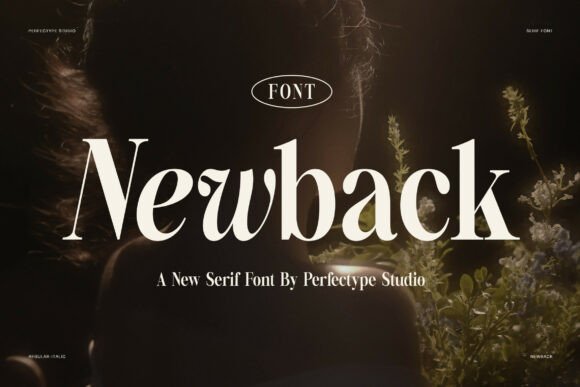
Newback is a refined display typeface that captures the essence of elegance and simplicity. Designed with a calm, classic mood, it blends graceful serif structure with soft curves and stylish contrast. This combination results in a font that feels elegant, timeless, and easy to admire. At first glance, Newback looks polished and premium. However, the more you see it, the more its quiet beauty stands out.
Understanding Newback
Newback is a display typeface, meaning it's best suited for headings, titles, or other short bursts of text rather than long paragraphs. Its design emphasizes readability and visual appeal, making it ideal for use in branding, advertising, and editorial design. The font’s clean lines and subtle details give it a modern yet traditional feel, allowing it to fit into a wide range of design contexts.
The name "Newback" suggests a fresh take on classic typography, and this is evident in its structure. It retains the familiar characteristics of serif fonts while introducing softer, more organic curves. This balance between tradition and innovation is one of the key features that makes Newback stand out among other display typefaces.
Why Consider Newback?
If you're looking for a typeface that exudes sophistication without being overly ornate, Newback may be an excellent choice. It is particularly well-suited for projects that require a sense of refinement and timelessness. Whether you're designing a luxury brand identity, a high-end publication, or a professional website, Newback can add a touch of class to your work.
Another reason to consider Newback is its versatility. While it is a display font, it maintains legibility even at smaller sizes, which makes it suitable for a variety of applications. Its soft curves and balanced proportions help ensure that it remains visually appealing across different media and screen resolutions.
Benefits and Tradeoffs
The primary benefit of using Newback is its ability to convey a sense of elegance and professionalism. Its design allows it to blend seamlessly with both modern and traditional aesthetics, making it a flexible choice for designers working across multiple industries. Additionally, its clean and polished appearance can enhance the overall visual hierarchy of a design, drawing attention to important elements without overwhelming the viewer.
However, like any display typeface, Newback has its limitations. It is not ideal for large blocks of body text due to its decorative nature. Reading long passages in Newback could become tiring for the reader, as the font is designed more for impact than for prolonged reading. Therefore, it is best used sparingly and strategically within a larger design context.
Situations Where Newback Excels
Newback is particularly effective in situations where a strong visual statement is needed. For example, it works well for headlines, logos, and call-to-action buttons. Its refined look can help reinforce brand messaging and create a memorable impression. In print media, such as magazines or brochures, Newback can serve as an elegant headline font that complements the content without overpowering it.
In digital environments, Newback can be used effectively in web banners, landing pages, and promotional materials. Its clean structure ensures that it remains readable on screens of various sizes, making it a practical choice for responsive design. When paired with simpler sans-serif fonts for body text, Newback can create a harmonious and professional layout.
When Alternatives May Be Better
While Newback is a strong option for many design scenarios, there are instances where alternative typefaces may be more appropriate. If your project requires a more casual or contemporary look, a modern sans-serif font might be a better fit. Similarly, if you need a highly readable font for extended text, a standard serif or sans-serif typeface would be more suitable.
Additionally, if you're working on a design that needs to be accessible to a wide audience, including those with visual impairments, you should consider using fonts that are specifically optimized for readability. In such cases, prioritizing accessibility over aesthetic appeal may be necessary.
Practical Insights for Decision-Making
When evaluating whether Newback aligns with your goals, consider the following factors:
- Purpose of Use: Is Newback intended for headlines, logos, or other short-form text? If so, it is likely a good fit.
- Design Context: Does the overall design style complement Newback's classic and refined appearance? If the project leans toward modern minimalism, Newback may still work but should be paired carefully with other elements.
- Readability Needs: Will the text be read for extended periods? If so, Newback may not be the best choice for body text.
- Brand Identity: Does Newback reflect the values and personality of the brand? If the brand aims to communicate sophistication and timelessness, Newback can be an excellent representation of these ideals.
By considering these factors, you can make a more informed decision about whether Newback is the right choice for your project. Ultimately, the goal is to select a typeface that enhances the message and experience of your design while meeting functional and aesthetic requirements.